

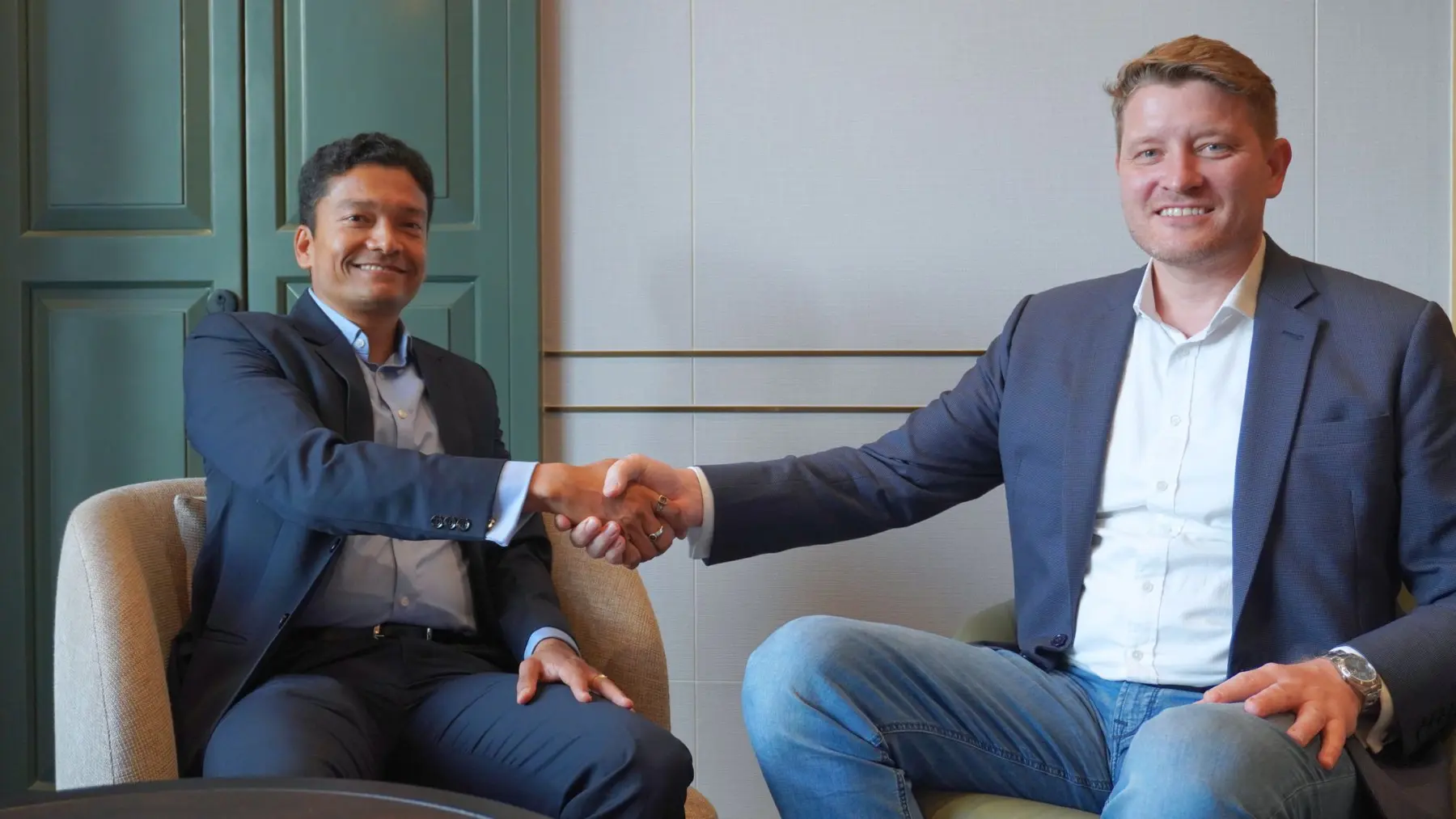
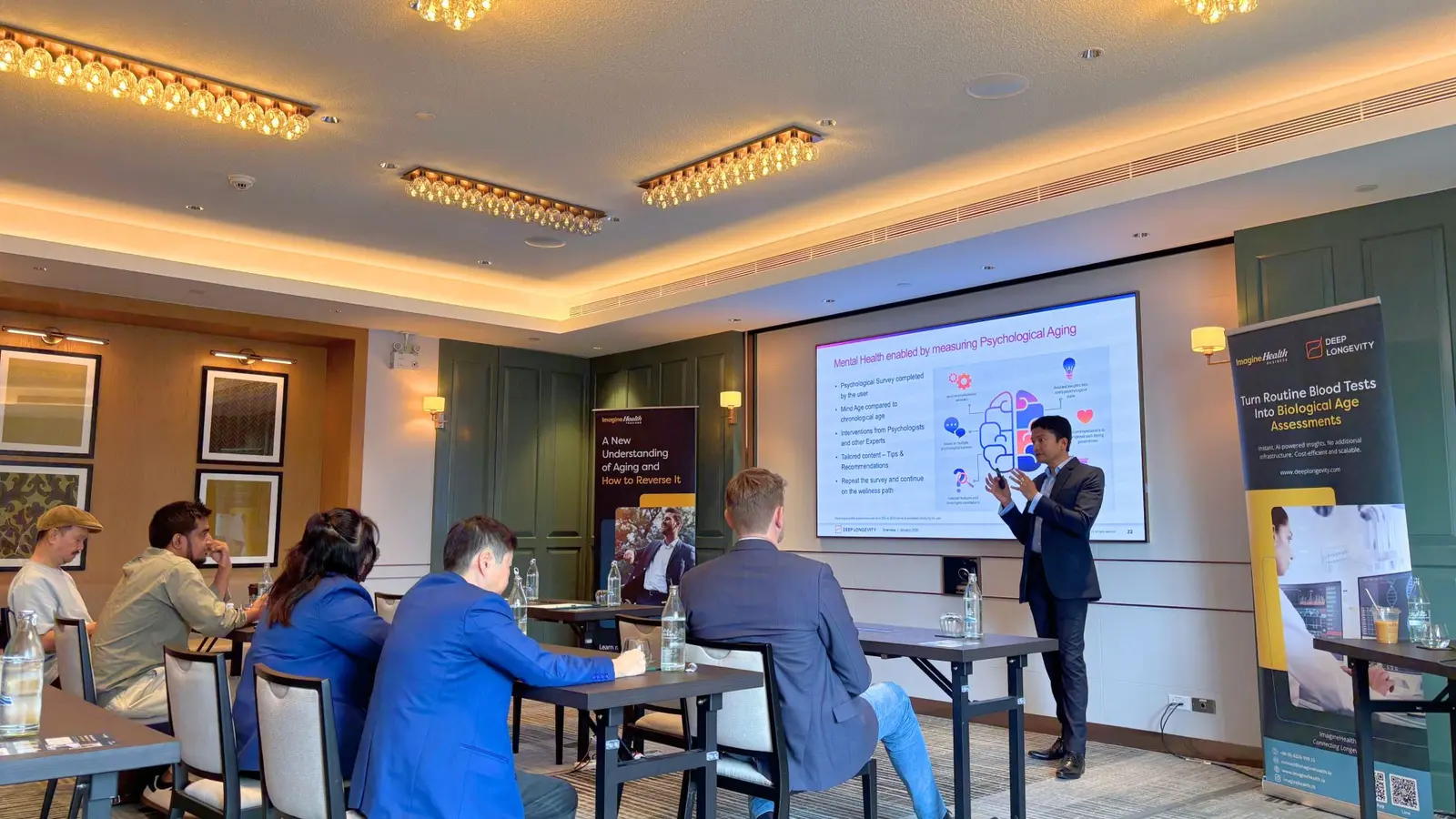
On 10 July 2026, ImagineHealth welcomed Deep Longevity CEO Deepankar Nayak to Bangkok and hosted a seminar for healthcare professionals at the Millennium Hilton Bangkok.
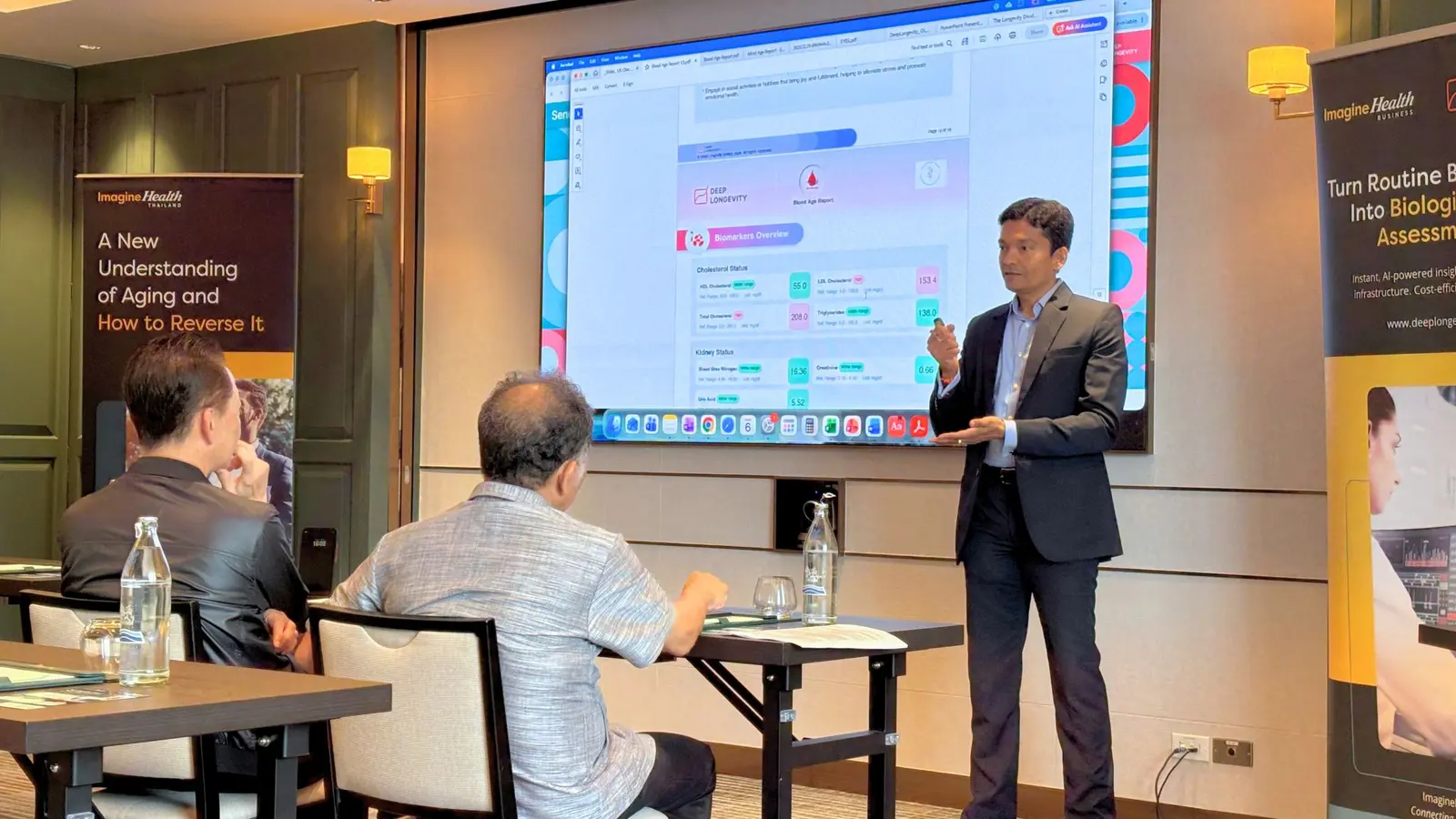
The session examined how artificial intelligence-based aging clocks can help organisations look beyond chronological age and develop a more personalised view of health. The discussion covered Blood Age, Face Age, Mind Age, Epigenetic Age and Biometric Age, together with the different types of information each assessment is designed to provide.
For ImagineHealth, the seminar reflected an important part of our role in Thailand's longevity ecosystem: bringing international innovators into direct conversation with local healthcare professionals so that new ideas can be examined in context.
Why biological age attracts attention
Chronological age tells us how much time has passed since someone was born. Biological age assessments aim to offer a different perspective by analysing health-related data for patterns associated with ageing, resilience or functional change.
This distinction is compelling for preventive healthcare because two people of the same chronological age may have very different risk profiles, behaviours and health priorities. A well-designed assessment can provide another layer of information for a qualified professional to consider alongside medical history, conventional diagnostics and clinical judgement.
An aging clock is not a diagnosis and should not be presented as a prediction of an individual's lifespan. Its value depends on the underlying science, the quality of the input data and how responsibly the result is interpreted and communicated.
Different clocks, different perspectives
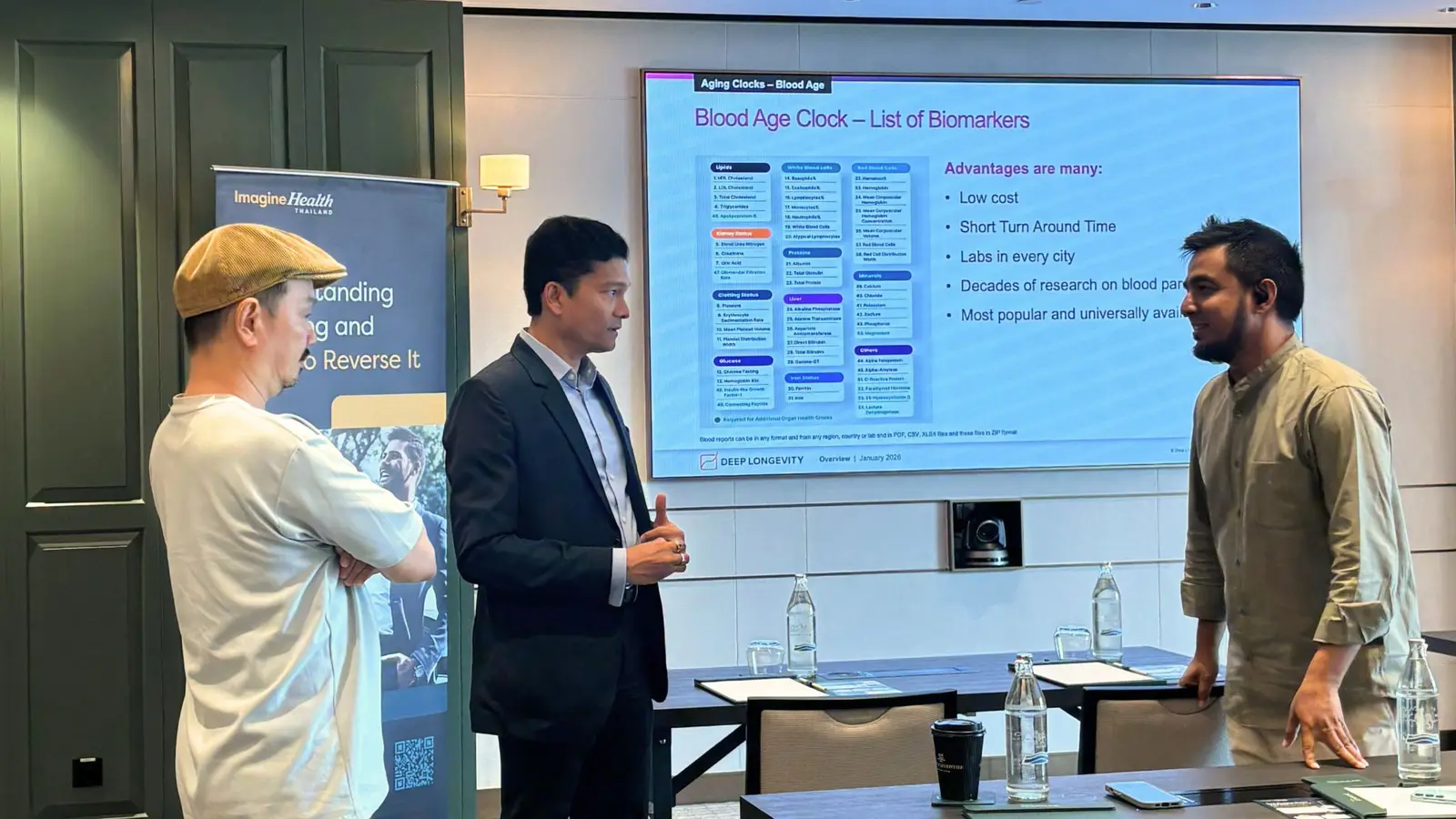
The seminar introduced several approaches to biological age assessment. Blood Age uses routine blood biomarkers to examine age-related patterns in physiology. Epigenetic Age draws on molecular markers associated with changes in gene regulation over time. Face Age and Mind Age explore visual and psychological dimensions, while Biometric Age brings together health and functional measurements.
These assessments do not answer the same question and should not be treated as interchangeable. Their practical relevance depends on the setting, the intended user and whether a provider has a credible pathway from measurement to professional guidance and follow-up.
For healthcare organisations, this means evaluating more than the novelty of a score. They must consider scientific validity, data quality, clinical oversight, privacy, communication and how the assessment fits within an existing preventive health programme.
From an interesting score to useful health management
A biological age result becomes more meaningful when it supports a structured conversation. It can help a healthcare professional explain priorities, create a baseline and encourage a client to engage with preventive health over time.
Repeat assessment may also help make change more visible, but results must be interpreted carefully. Lifestyle adjustments, treatment decisions and medical follow-up should remain grounded in an individual's wider clinical picture rather than a single number.
This is where implementation matters. The technology needs to sit within a clear client journey that explains what is being measured, what the result can and cannot show, and what appropriate next steps may follow.
Creating direct exchange in Bangkok
Hosting the seminar at ImagineHealth's Longevity Lounge environment within the Millennium Hilton Bangkok allowed participants to move beyond a general presentation and ask practical questions about use cases, workflows and provider integration.
Smaller professional gatherings are particularly useful in a fast-moving field. They give healthcare leaders an opportunity to examine an innovation directly, compare it with existing practice and decide whether it is relevant for their organisation and clients.
Thank you to Deepankar Nayak for sharing his perspective and to every healthcare professional who joined the seminar and contributed to the discussion.
Connecting longevity innovation with the Thai market
ImagineHealth helps international health innovators and Thai healthcare organisations understand one another's markets, capabilities and implementation requirements.
Our independent role is to support informed evaluation and relevant connections. Not every innovation is right for every organisation. The objective is to identify where a credible solution can create practical value and what responsible implementation would require.
Organisations exploring longevity diagnostics, preventive health technologies or market opportunities in Thailand are welcome to contact us for a conversation.
Discuss a longevity innovation