
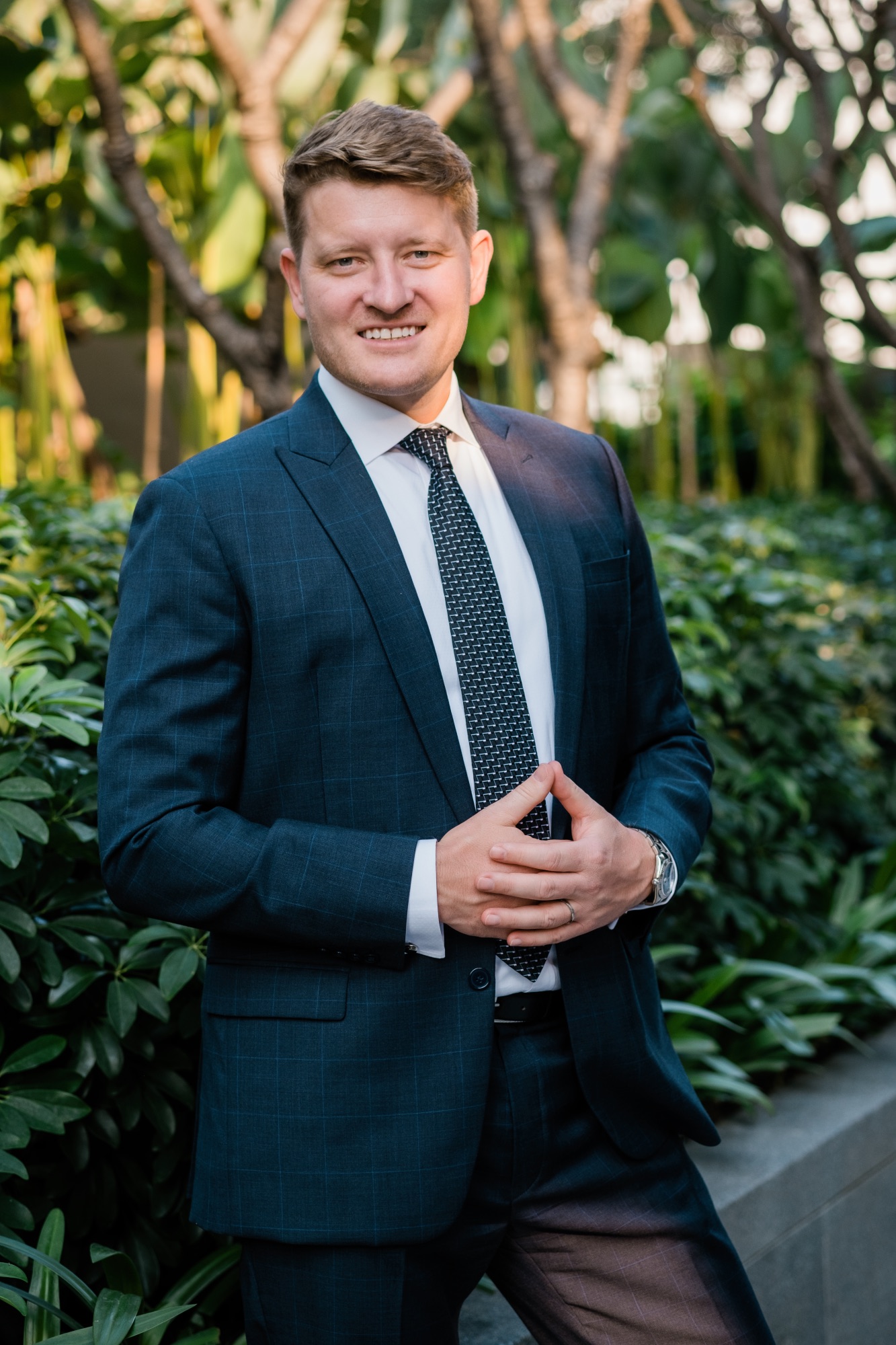
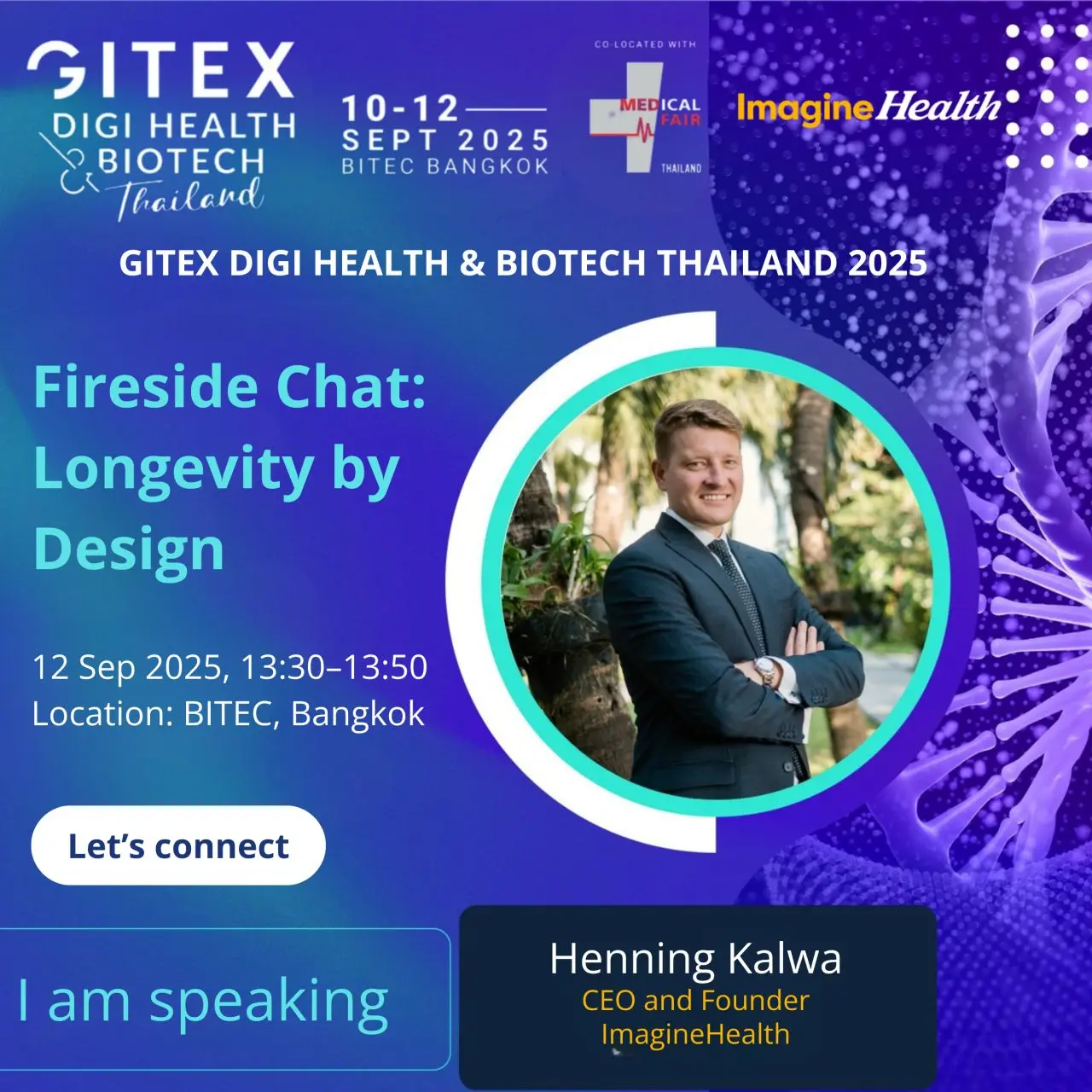
From 10 to 12 September 2025, the ImagineHealth delegation attended GITEX DIGI Health & Biotech Thailand at BITEC Bangkok. Inspired by GITEX GLOBAL, the event brought together digital health professionals, researchers, founders and healthcare leaders to examine how technology is reshaping health across Asia.
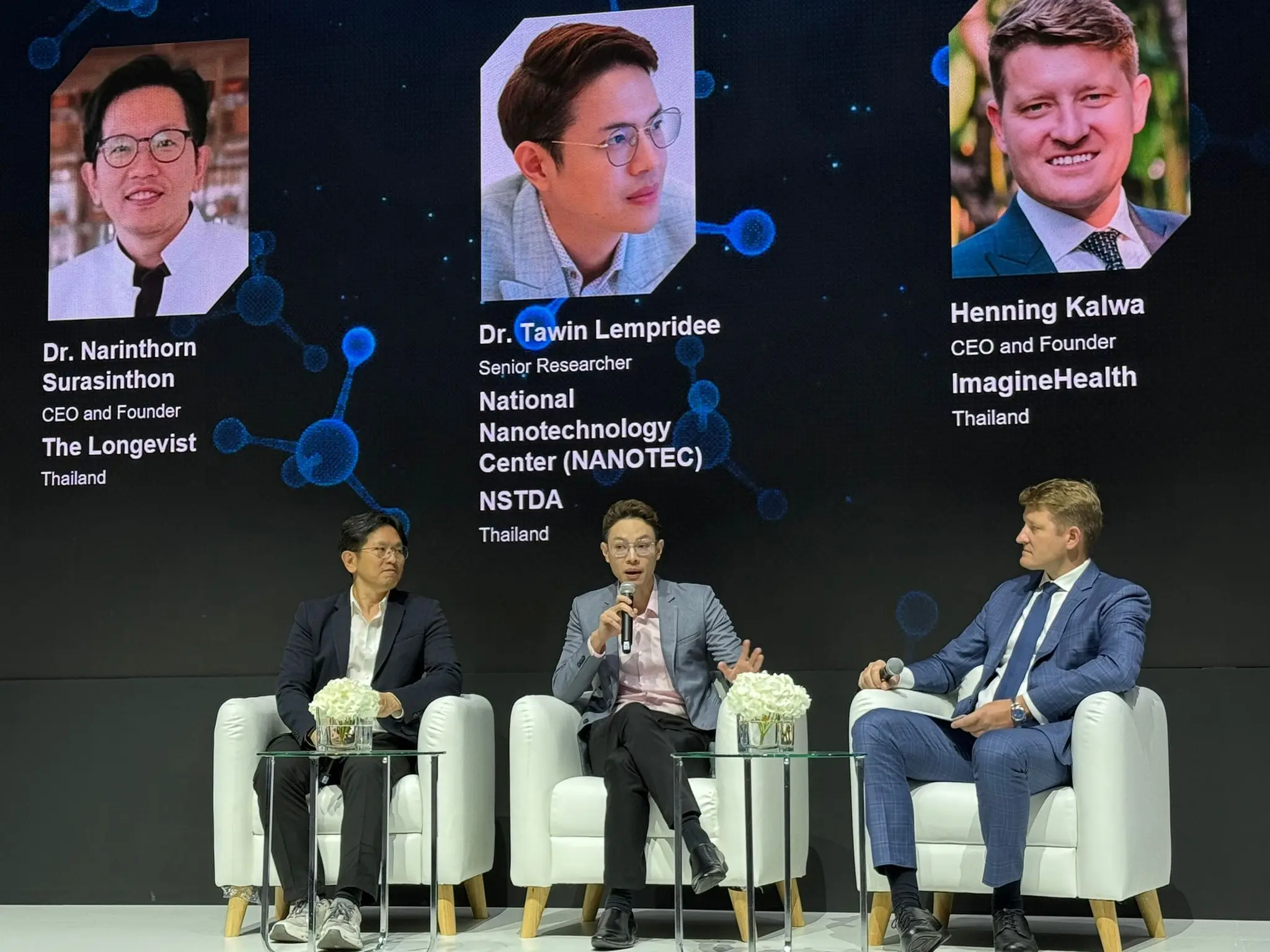
On the final day, ImagineHealth Founder and CEO Henning Kalwa moderated two panel sessions addressing very different but closely connected questions. The first explored how science and design can support longer, healthier lives. The second considered whether artificial intelligence can ease the growing pressure on Asia's healthcare workforce.
Together, the conversations reflected ImagineHealth's wider role: connecting longevity, healthcare innovation and practical market development while helping position Thailand as a credible international destination for health and healthy ageing.
Longevity by Design
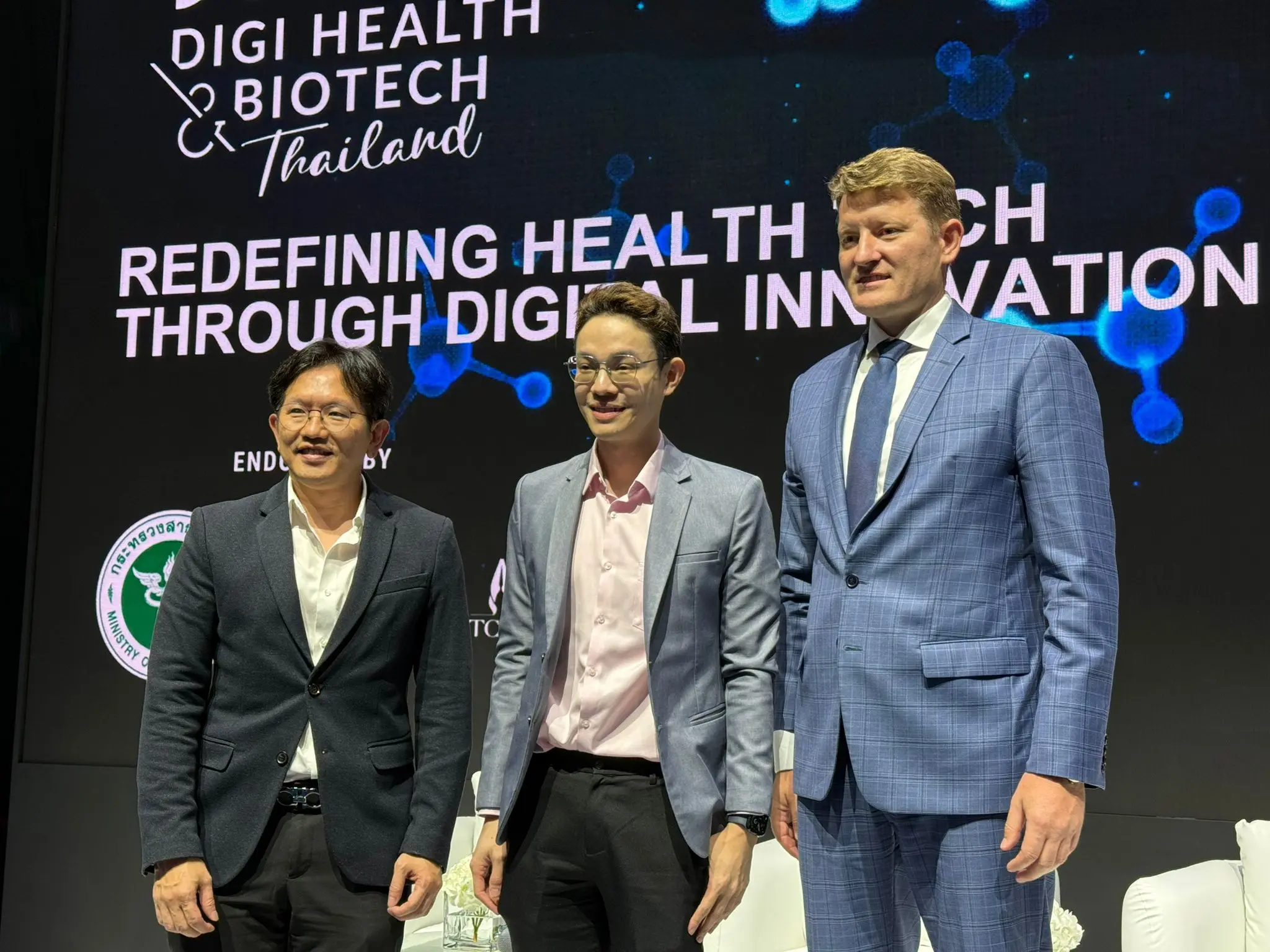
The fireside chat "Longevity by Design" reframed ageing as a challenge that can be approached intentionally. Rather than waiting for age-related decline, individuals, providers and societies can design environments and health journeys that support resilience across the life course.
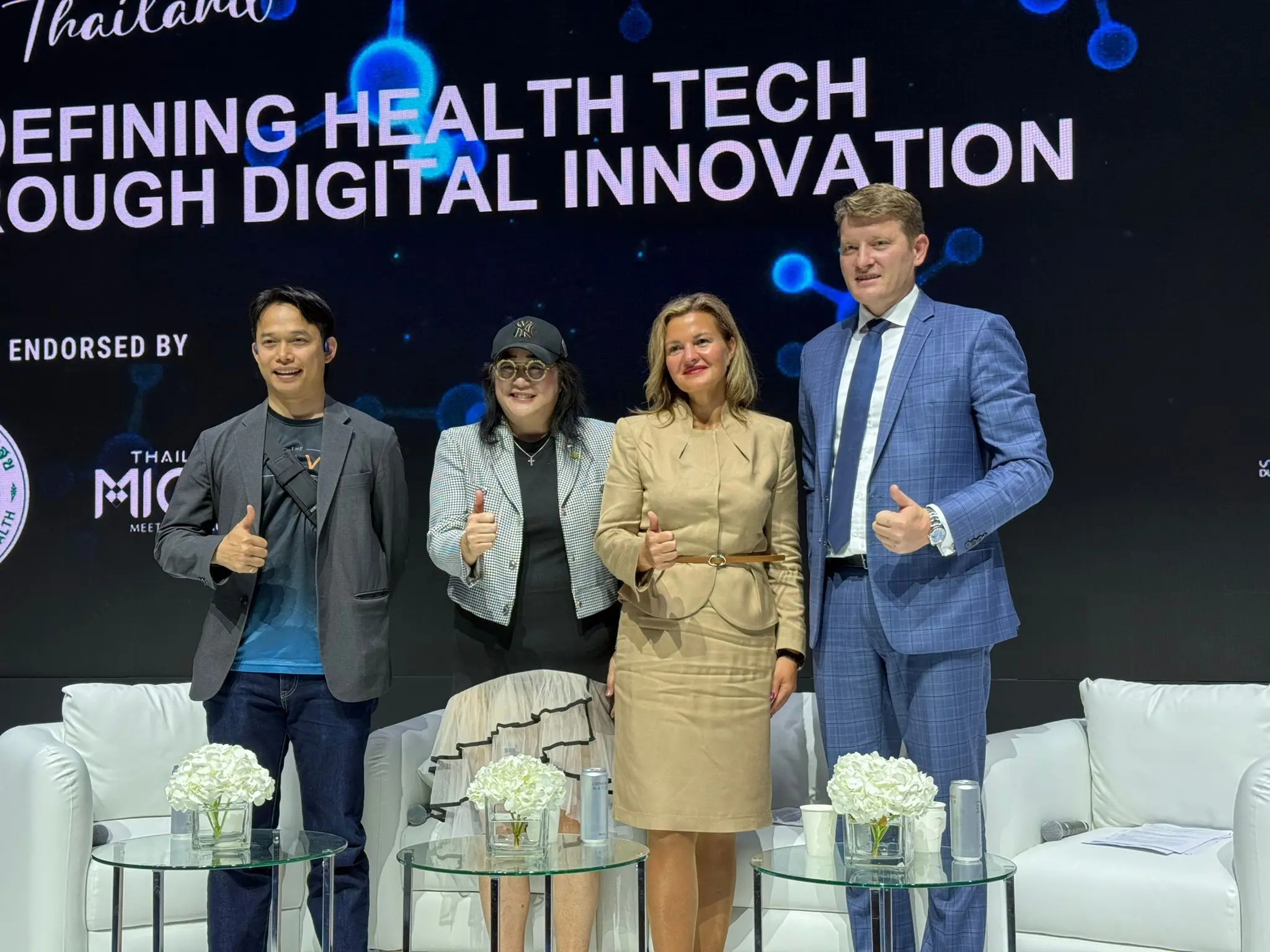
Henning was joined by Dr. Narinthorn Surasinthon, CEO and Founder of The Longevist, and Dr. Tawin Iempridee, Senior Researcher at the National Nanotechnology Center (NANOTEC), NSTDA.
The session explored the convergence of scientific research, emerging technology and design thinking. Topics ranged from cellular and regenerative science to personalised nutrition, lifestyle, emotional wellbeing and stress resilience. The discussion also considered how these components can be organised around the individual rather than presented as disconnected interventions.
Extending healthspan requires a system
A longer life is meaningful only when additional years are supported by health, function and independence. This is why healthspan provides a more useful organising objective than longevity alone.
Designing for healthspan requires more than one test, treatment or device. It involves understanding individual risk, strengthening everyday foundations, selecting appropriate interventions and measuring progress over time. Healthcare, wellness, technology and hospitality may each contribute, but their roles must be clear and coordinated.
Thailand is well positioned to develop this kind of connected proposition. The country combines healthcare expertise, research capability, wellness culture and international hospitality. Its opportunity is to turn those strengths into credible, personalised journeys that are both scientifically informed and distinctly Thai.
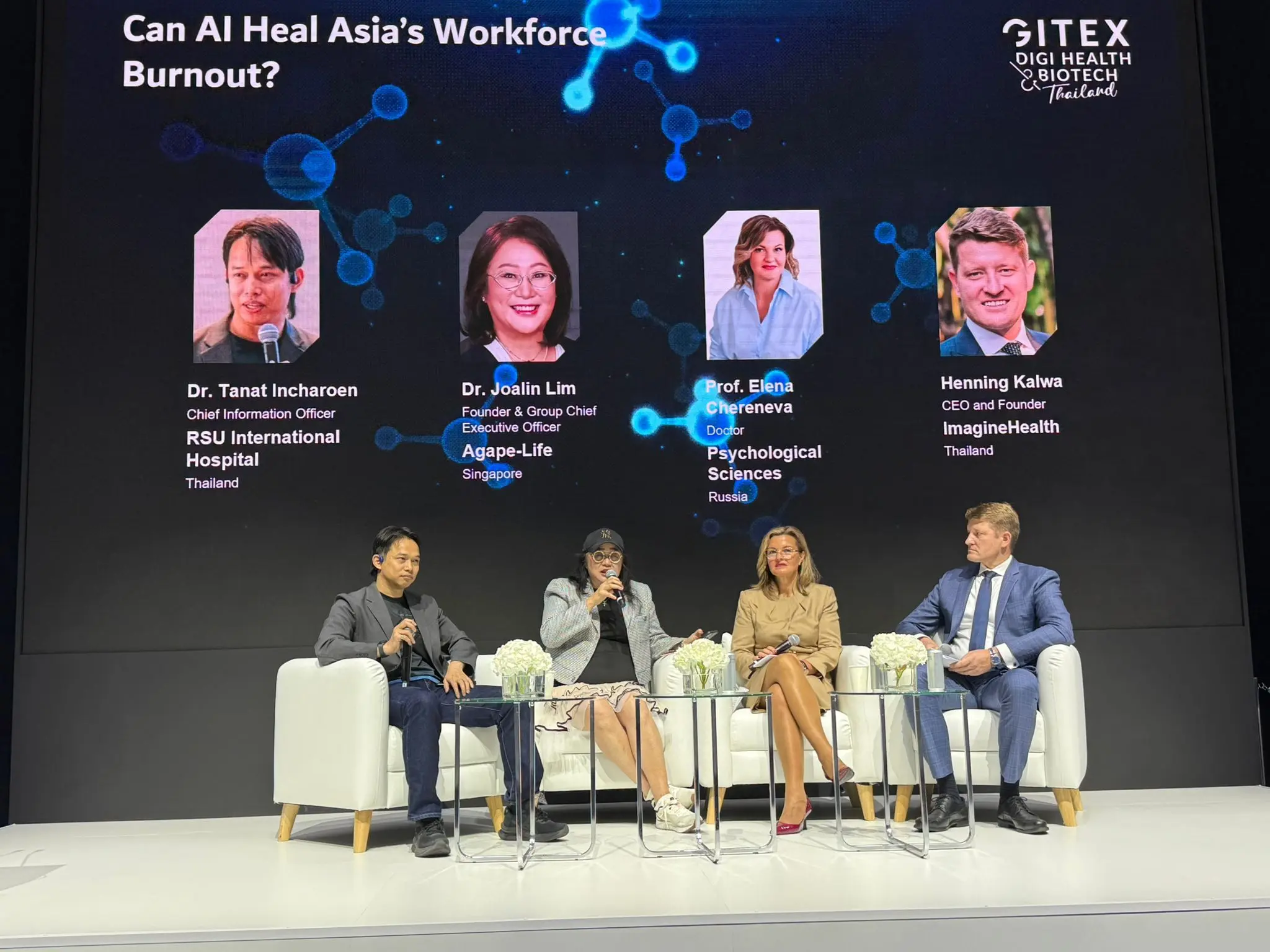
Can AI heal Asia's workforce burnout?
The second panel addressed a challenge affecting health systems across the region: rising demand, administrative burden, workforce shortages and the psychological cost carried by healthcare professionals.
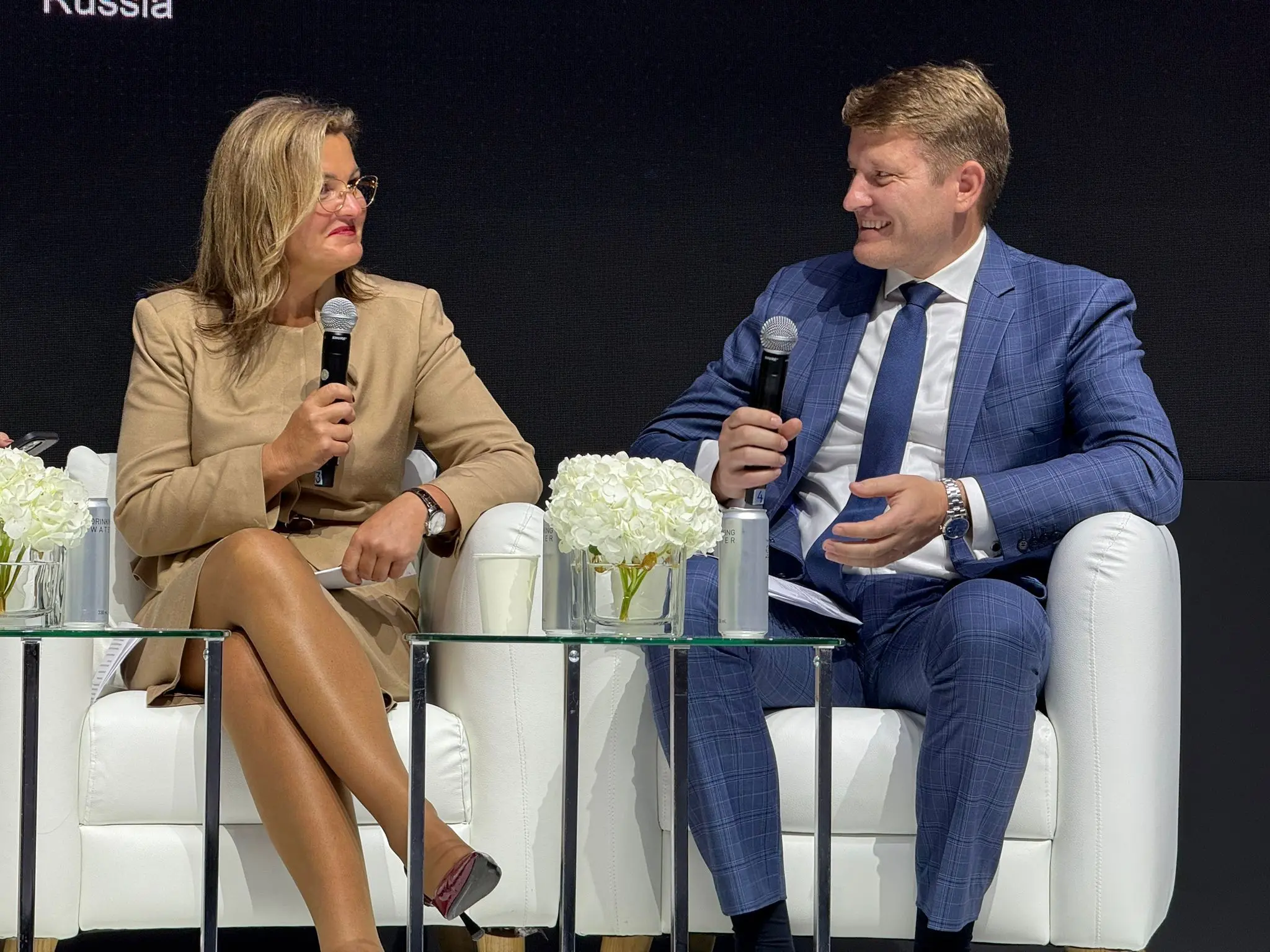
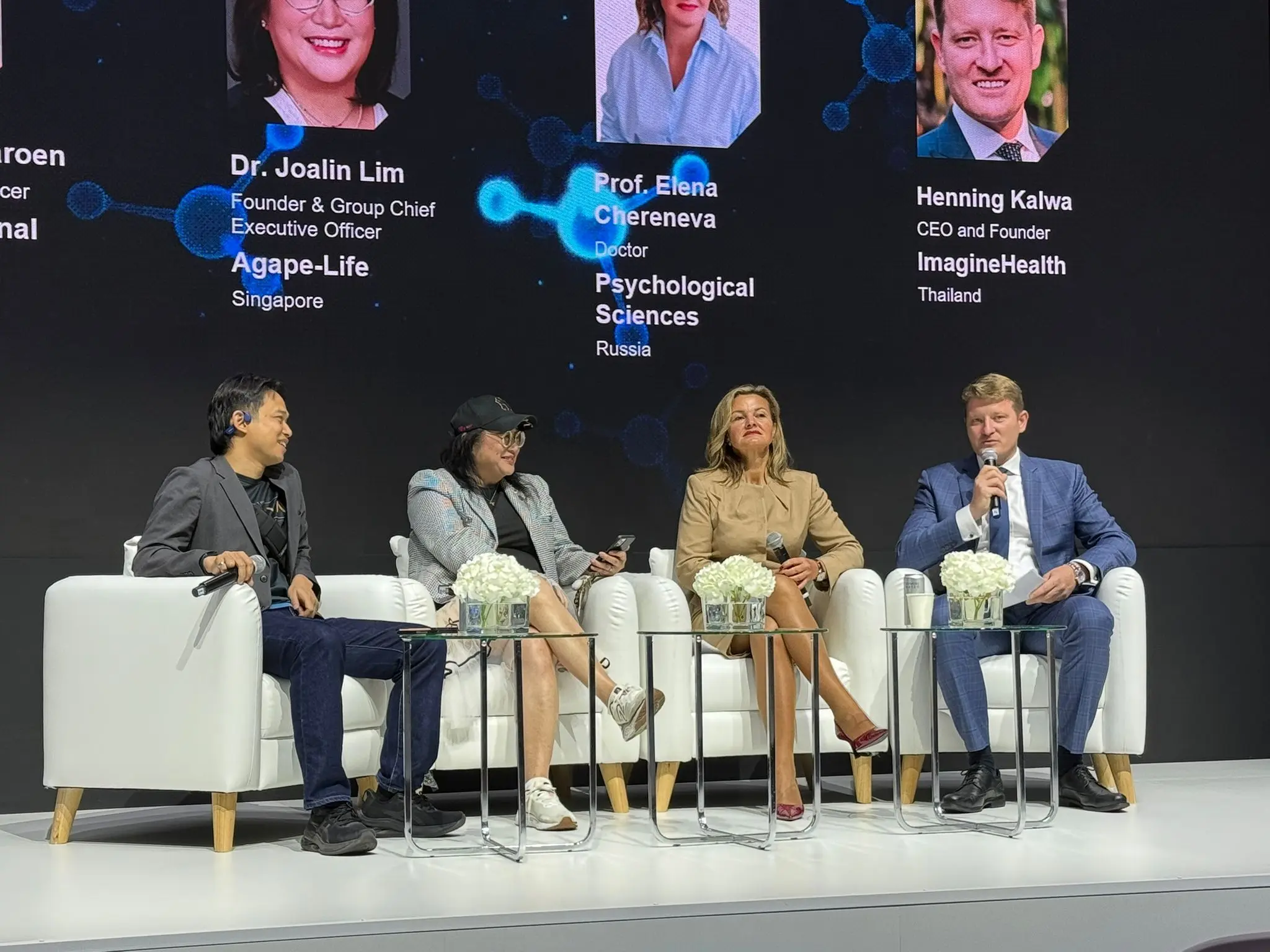
Henning moderated a discussion with Tanat Incharoen, CIO of RSU International Hospital; Joalin Lim, Founder and Group CEO of Agape-Life; and Professor Elena Chereneva, Doctor of Psychological Sciences.
The panel explored where artificial intelligence could reduce repetitive work, improve access to information and support more efficient clinical and administrative workflows. Used well, these tools may give professionals more time for complex judgement and human interaction. Used poorly, they can add another layer of systems, alerts and expectations to an already overstretched workforce.
Technology cannot solve a human problem alone
Burnout is not simply a productivity gap. It is connected with workload, control, leadership, staffing, professional meaning and the emotional demands of caring for others.
AI can support parts of the solution, but it cannot replace adequate resources, thoughtful management or a culture in which people can speak openly about pressure. Nor should efficiency gains automatically become a reason to increase workloads further.
The most responsible applications begin with a clearly defined burden and involve the professionals expected to use the technology. Success should be measured not only through faster processes, but through usability, trust, safety and whether the change genuinely improves working life.
Thailand's role in the future of health
GITEX DIGI Health & Biotech Thailand demonstrated the value of bringing research, technology, clinical practice and entrepreneurship into the same room. The questions raised on stage are central to Thailand's next phase of healthcare development.
The country can strengthen its international leadership by supporting innovation that extends healthspan, improves care delivery and addresses real system needs. Doing so will require credible evidence, responsible implementation and closer collaboration between institutions that do not always work together.
ImagineHealth is committed to facilitating those connections. We help international innovators understand the Thai market, support local providers evaluating new opportunities and contribute an independent perspective to conversations shaping the future of longevity and healthcare.
Thank you to the GITEX organisers, every panelist and everyone who joined the sessions and contributed questions. These exchanges help move Thailand closer to becoming a globally recognised Longevity Destination.
Discuss a healthcare innovation partnership